

The use of polycarbonate sheets for roofing has almost become synonymous with
protection from UV radiation. But what does this protection really mean? And what is
the protection good for?
What is ultraviolet radiation?
Ultraviolet (UV) radiation is a type of electromagnetic radiation that is characterized by its higher frequency and shorter wavelength compared to visible light. It falls outside the range of visible light on the electromagnetic spectrum. UV radiation is emitted by the sun and various artificial sources, such as tanning lamps and welding arcs.
There are three main types of UV radiation, each with different wavelengths and properties:
UVA (320-400 nm): UVA has the longest wavelength among the three types of UV radiation. It is often referred to as "long-wave" UV and is the least energetic. UVA rays can penetrate the skin deeply and are responsible for causing premature skin aging, wrinkles, and can contribute to skin cancer development.
UVB (280-320 nm): UVB is of intermediate wavelength and is often referred to as "medium-wave" UV. It is more energetic than UVA and can cause sunburn, DNA damage, and contribute to the development of skin cancer. However, UVB rays are also necessary for the production of vitamin D in the skin.
UVC (100-280 nm): UVC has the shortest wavelength and is the most energetic of the three types. Fortunately, almost all UVC radiation is absorbed by the Earth's atmosphere and does not reach the surface. UVC is extremely damaging to living organisms and is often used for disinfection purposes in controlled environments.

Exposure to UV radiation, particularly excessive and unprotected exposure, can have harmful effects on living organisms. In humans, it can lead to skin damage, eye problems (such as cataracts), and an increased risk of skin cancer. UV radiation is also a significant factor in the degradation of materials and surfaces exposed to sunlight, such as fabrics, plastics, and paints.
To protect yourself from the harmful effects of UV radiation, it's important to use sunscreen with broad-spectrum protection, wear protective clothing and sunglasses, and avoid excessive sun exposure, especially during peak sunlight hours.
Does polycarbonate block UV radiation?
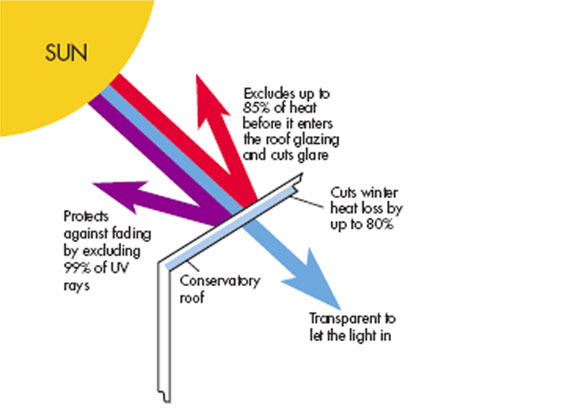
Yes, polycarbonate is known for its ability to block UV radiation to a certain extent. Polycarbonate sheets are often used in applications where UV protection is important, such as in awnings, skylights, greenhouse panels, and protective eyewear. However, the level of UV protection provided by polycarbonate can vary based on the specific formulation of the material and any additional coatings that may be applied.
Standard polycarbonate sheets naturally have some inherent UV-blocking properties, primarily in the UVB range. This means that they can provide protection against harmful UVB rays, which are responsible for causing sunburn and contributing to skin damage. However, they may not be as effective at blocking UVA rays, which penetrate the skin more deeply and are associated with long-term skin aging and an increased risk of skin cancer.
Manufacturers often enhance the UV protection of polycarbonate sheets by adding UV stabilizers or coatings during the manufacturing process. These additives help extend the lifespan of the material by minimizing degradation and yellowing caused by UV exposure. They can also provide improved protection against both UVA and UVB rays.
If you're considering using polycarbonate for applications that require significant UV protection, such as awnings or greenhouse panels, it's a good idea to choose polycarbonate sheets that are specifically designed to offer enhanced UV resistance. These sheets are labeled as "UV-protected" or "UV-coated" and are formulated to provide better long-term performance in outdoor environments.
Ultimately, if UV protection is a primary concern, it's recommended to consult with the manufacturer or supplier to ensure that you select the
Conclusion
In the context of polycarbonate and its role in shielding against ultraviolet radiation, it's important to recognize two distinct forms of safeguarding. The initial layer of protection concerns those beneath a polycarbonate roof – both people and belongings. Irrespective of specific characteristics like shape, thickness, or color, every polycarbonate sheet inherently offers this defense against harmful UV rays. This advantage of polycarbonate over alternative translucent materials is indeed noteworthy. The second facet of protection pertains to the preservation of the sheet itself, ensuring its enduring advantages and properties. When opting to install these sheets outdoors, it's essential to prioritize a high-quality UV protection treatment to safeguard their longevity effectively.
UNQ tests polycarbonate sheets in a facility that simulates prolonged exposure to UV, called Accelerated Weathering Tester. This facility allows us to evaluate the future performance of our products when installed in different parts of the world, and to develop the appropriate level of coating for each application.


